February 2026

February in the Garden
I’d like to congratulate everyone for making it through one of the coldest and snowiest Januarys I can remember. I think the good news is that we received the heavy snow before the temps plummeted to zero and below. The foot of snow in my yard will help insulate the roots of perennials. It will also help keep the early spring bulbs, which were starting to emerge, from heaving out of the ground with the freeze/thaw cycles.
The good news is that February, though it can be the dreariest month, brings us the first hints of Spring. The Hellebores are starting to bloom and when the snow melts, we will see more Crocus, Snowdrops, and Daffodils emerging from the thawing ground. I’m also happy to report that for those of us who thrive on light and warmth, we will start to see a significant lengthening of daylight hours in February, gaining an extra hour of light by the end of the month. Temperatures are also starting their trend upwards, from an average high of 41 on February 1st, to 48 (almost 50 in gardeners’ terms) by February 28th.
February is also a good month to plan any changes you’ve been contemplating for your garden spaces. Think about those areas which haven’t performed the way you would like and use these cold days to research alternatives which will bring more joy to your garden. If you aren’t sure where to begin and would like some help, check out my “Services” page to see if a Garden Consult is right for you.


February Garden Tasks
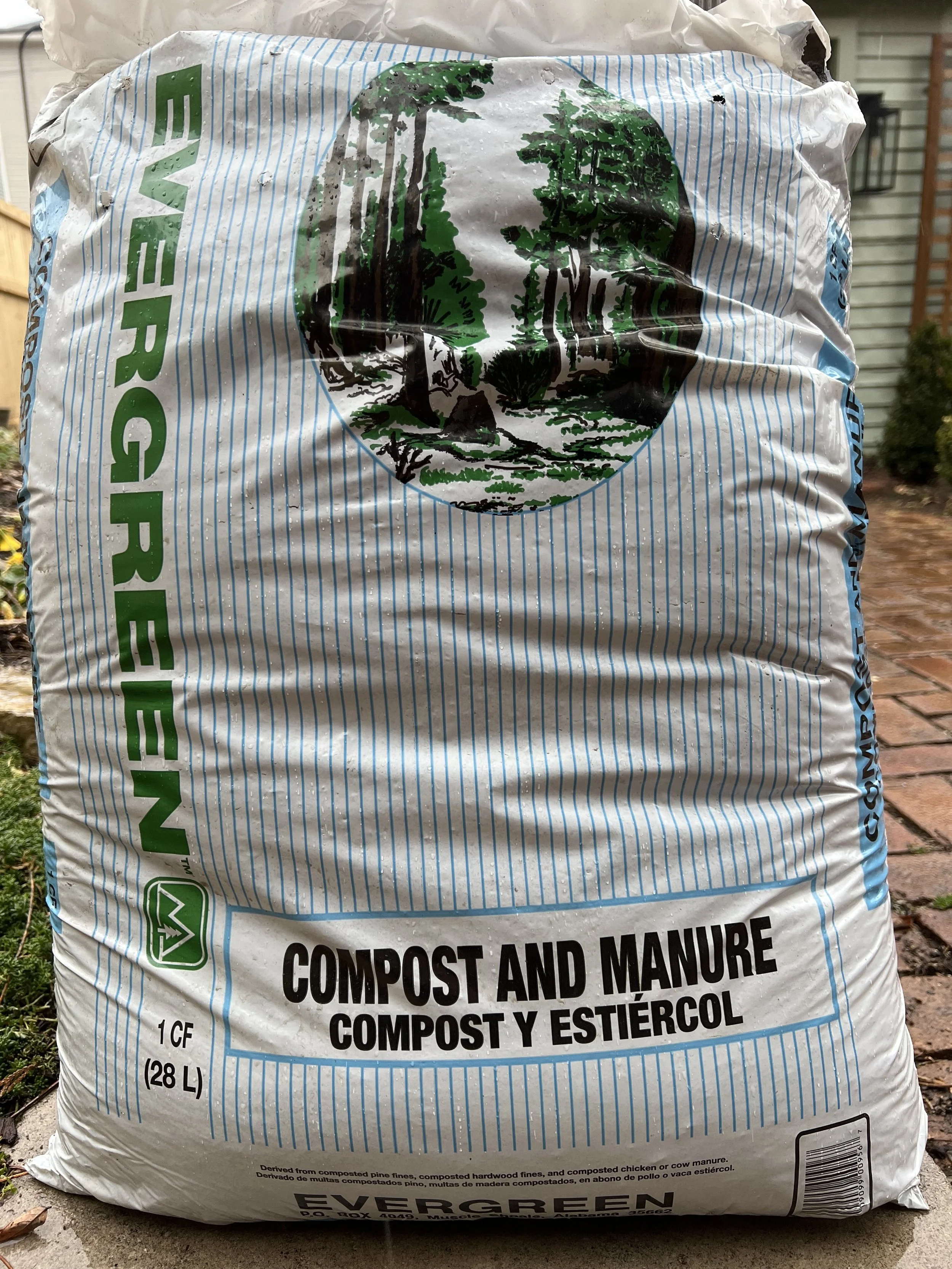
February is a good time to mulch around emerging Spring bulbs, before they get too tall. Mulching now will make a big difference and pay dividends throughout the Spring and Summer, keeping down weeds, retaining soil moisture, and improving the soil. I like to use a compost/manure blend from Evergreen (see photo below), which you can purchase pretty inexpensively (about $3.50/bag for 1 cubic foot) at Lowe’s.
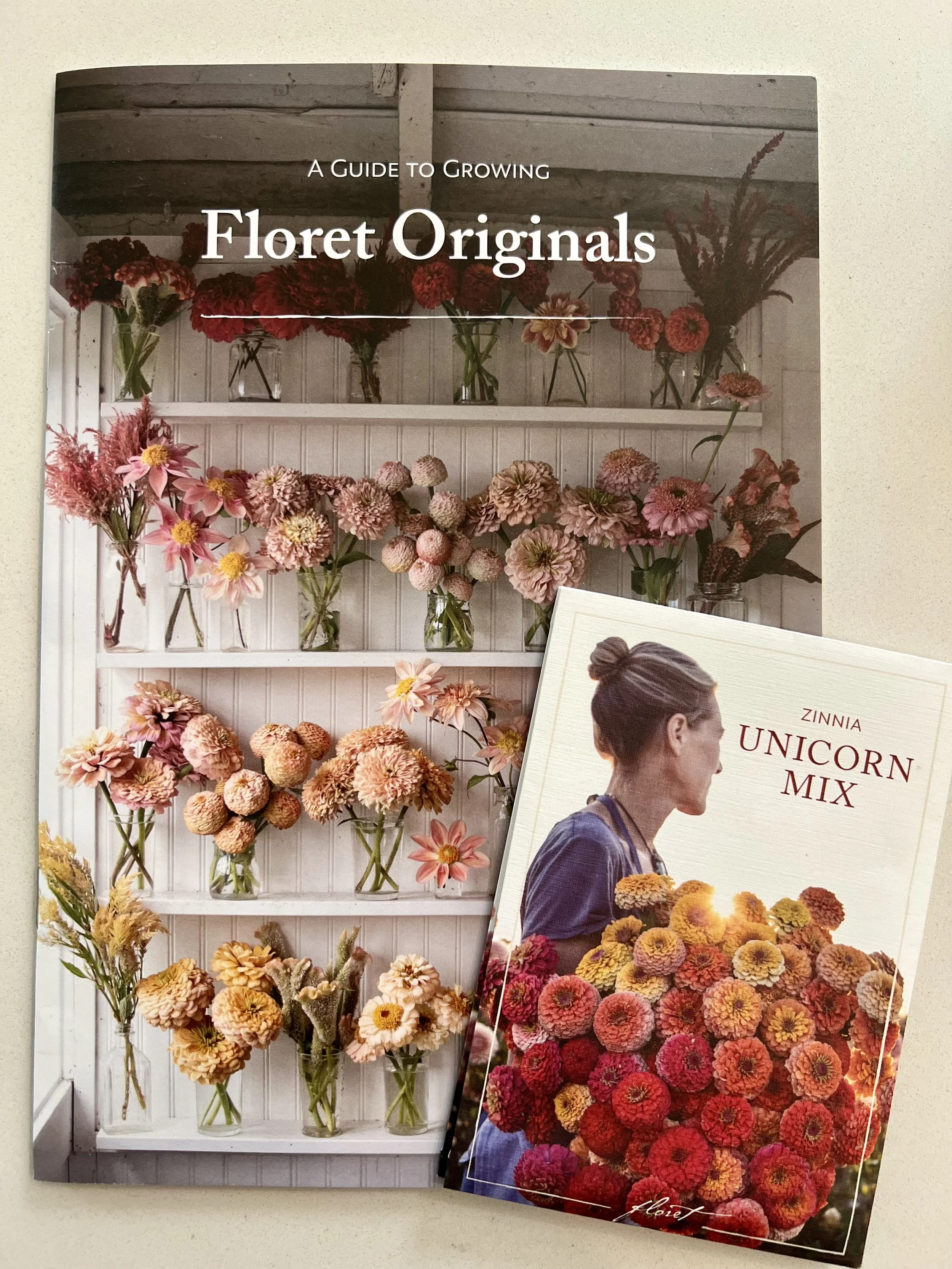
February is also the time to place your seed orders, so you can begin sowing them indoors in March, making sure the seedlings are ready to transplant into the garden at the end of April. Starting your annuals from seed is a great way to save money in the garden. I’m eager to start these Unicorn Mix Zinnias from Floret Farms (photo below). Even the packaging is beautiful.
At the end of the month, you can begin cutting down the tall deciduous grasses you’ve left up for the Winter. After several snowfalls, many of them are starting to look a bit ragged or beat down. You want to cut them to about 4”-5” above the ground, before this year’s growth starts to emerge.
Keep feeding the birds daily. Some species will begin to mate in February and will soon start constructing nests. The better nourished they are now, the more likely they are to have a healthy brood this Spring. When temperatures are above freezing, make sure they also have access to fresh water.



My first urn planting of the 2025 gardening season. Hellebores, Heuchera, Ferns, and Dock. All plants which will be able to withstand February temps in the 20s.