October 2026
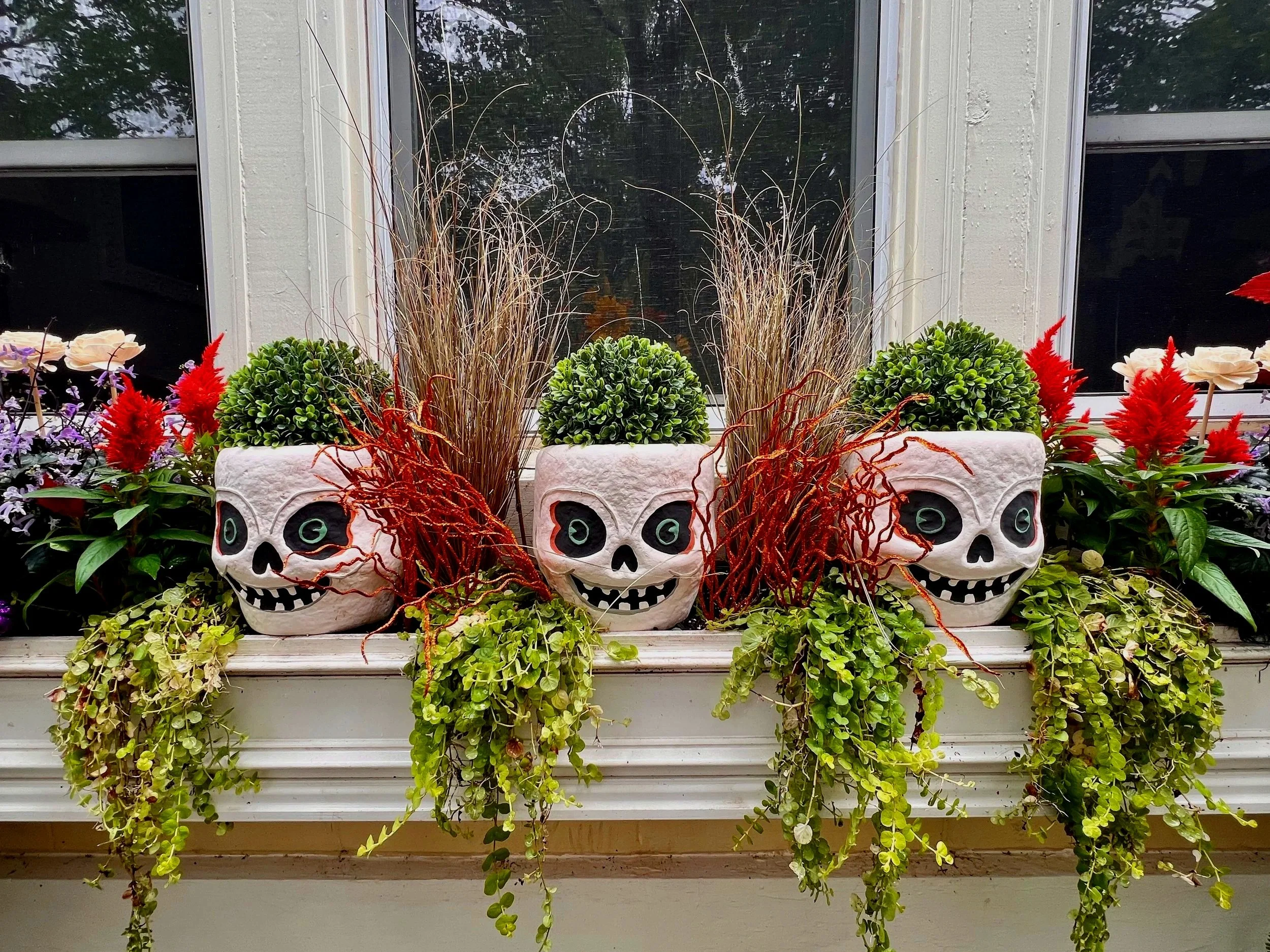
Halloween might not be the only scary thing to think about this month
September was a difficult month for gardens here in Northern Kentucky. It was the second hottest September on record, highlighted by the second highest number of 90+ degree days for the month. To stress our plants even more, we were more than 1.5 inches below normal rainfall for September. The combination of excessive heat and lack of rain really crisped up a number of our flowers. While we can hope we return to more normal temperatures and precipitation rates in October, I think it’s time to start thinking about what climate change means for how we garden and what plants will survive our hotter and longer summers.
Climate Central, an independent non-profit organization comprising leading scientists and journalists who research and report on climate change, did an analysis of how American cities’ climates will change by 2060 and 2100. The study, “Shifting Cities: Mapping Future Climates”, depicts how Cincinnati’s climate will change over the next several decades (see graphic at the bottom of the page). The graphic shows that Cincinnati’s climate in 2060 will mirror that of Clarksville (Nashville), Tennessee and in 2100 that of Shreveport, Louisiana. That means much longer, hotter, and more humid summers. The range of plants we can and cannot grow will change, as will planting and harvesting times, not to mention the plant pests and diseases we will experience.
In next month’s blog, I will share information and recommendations on how we as gardeners will need to adapt to these changing conditions.


October Garden Tasks
While October is a terrific month weather-wise, with cool, crisp sunny days, it is certainly one of my least favorite when it comes to garden activities. The tasks of removing and disposing of annuals, digging and storing bulbs, and hauling houseplants inside, are hard work and a bit depressing as they signal the end of the gardening season. It is exciting however, once you complete those tasks and see all that bare soil, to begin planning for that dream garden you’ve always wanted. My mind is already racing, thinking about how I can make the gardens even more beautiful next year.
In the meantime, here are some tasks for you to complete this month in your garden:
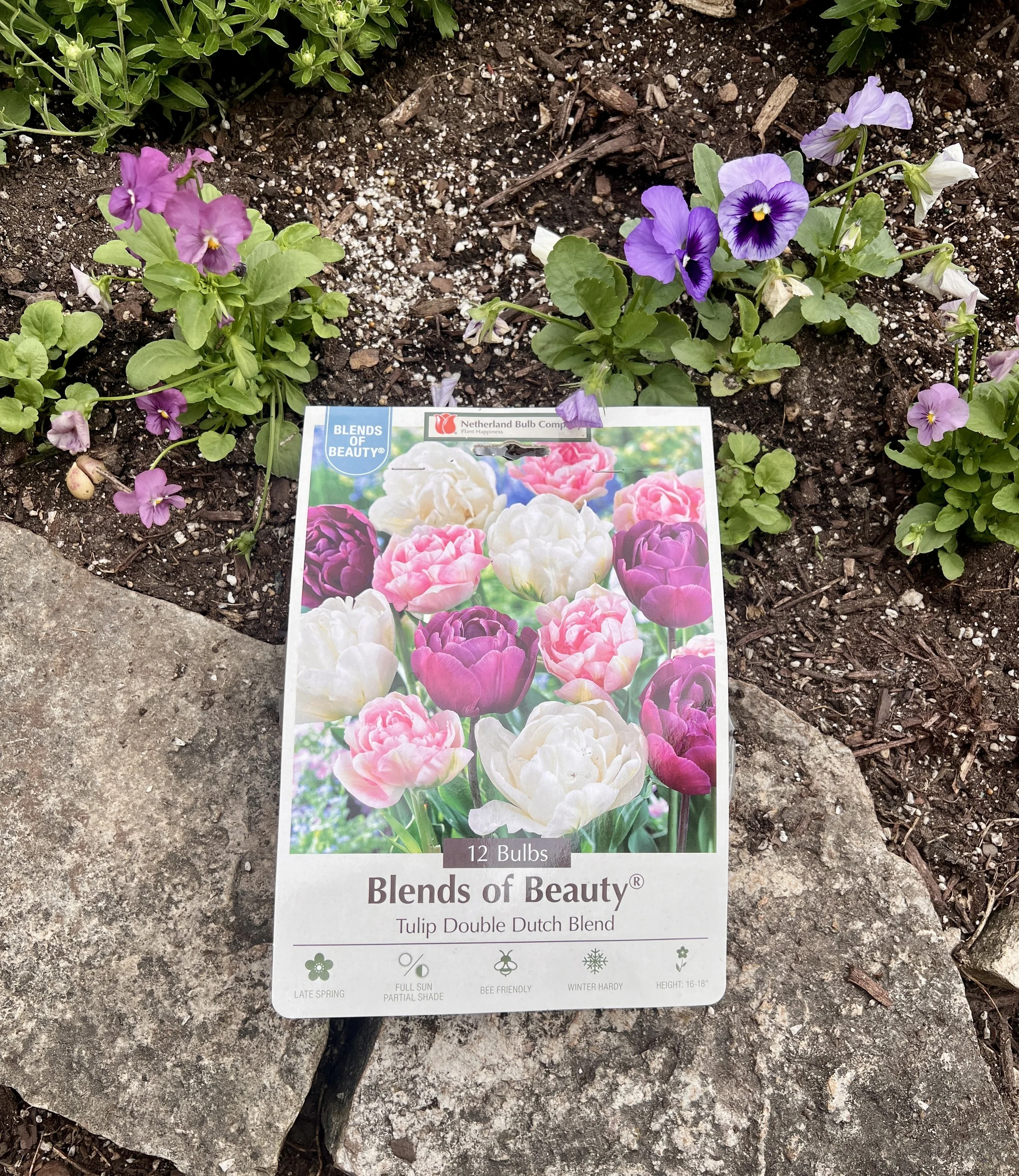
Plant fall pansies in a sheltered sunny spot, then plant spring blooming bulbs in a matching color scheme between each pansy. See the photo above for the combo I chose this year. I planted purple and white pansies and have interspersed them with a collection of purple and white tulips. The pansies will provide color all winter and the tulips will begin emerging in late February. The combo will provide me with a lot of color in March and April, before I start planting summer annuals in May.
Bring tropical plants indoors a couple of weeks before you turn on your furnace for the season. This will give the plants time to adjust to the lower light levels in your house before you add the extra stress of lower humidity levels created by the furnace.
October is a great month to plant new trees and shrubs. The soil is still warm enough for the roots to get established, but the lower temperatures help reduce the stress of transplanting.
Dig tender bulbs and tubers and store in a cool, dark place. I store my Caladium bulbs in plastic tubs, covered with slightly dampened peat moss. I also store my Canna Lily tubers in plastic tubs, but I wrap them in damp newspaper. Make a note on your calendar to check on the bulbs and tubers in January/February to make sure they haven’t dried out.
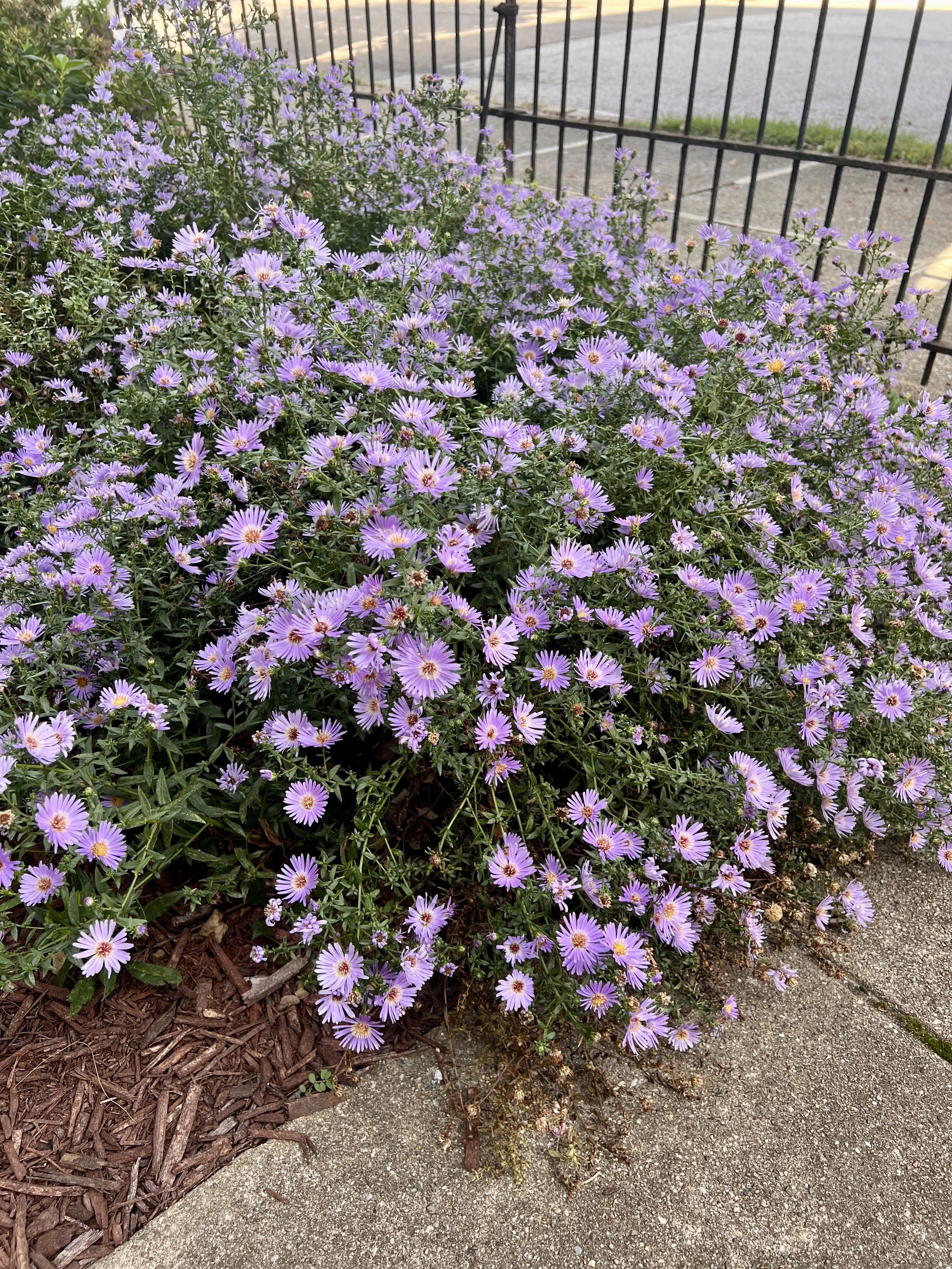
Begin cutting down the foliage on some of your perennials. Leave those with seed heads, like coneflowers, so they can continue to provide a food source for birds.
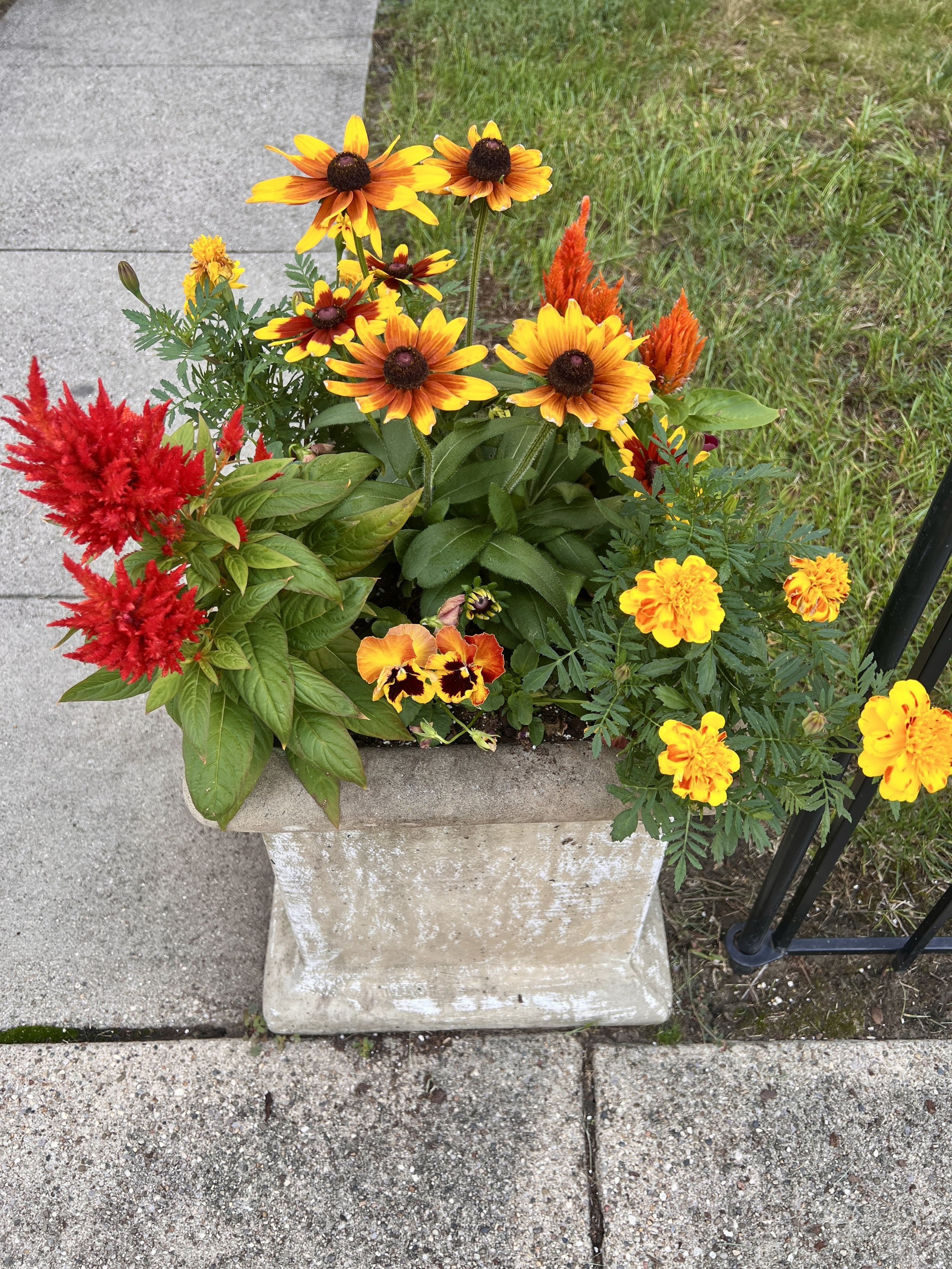
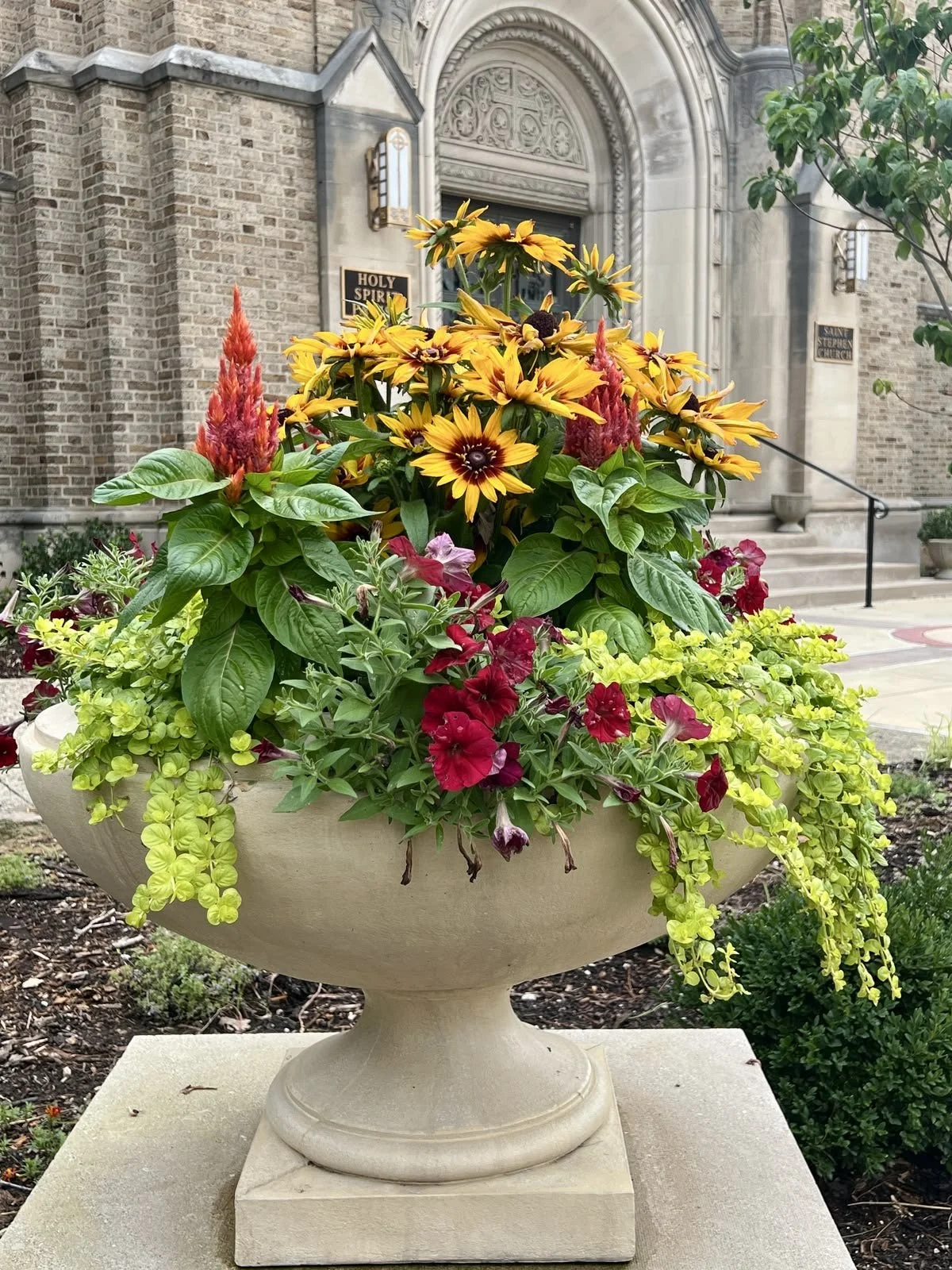
Have fun transforming some of your containers into Halloween displays.